
Drones Taking Flight to Restore Southern Utah's Natural Landscapes |
"Discover how cutting-edge technology is revitalizing Utah's wilderness with aerial restoration efforts" |
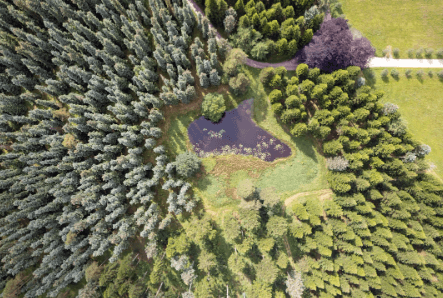
A new era of habitat restoration is taking flight across Southern Utah, as drones loaded with native plant seeds help bring back vegetation to areas damaged by wildfires and environmental degradation.
The innovative approach combines cutting-edge drone technology with century-old conservation goals, according to Faith Jolley, Public Information Officer for the Utah Division of Wildlife Resources.
Fixed wing aircraft and helicopters have been used for aerial seeding for decades, Jolley explained.
Drone technology adds a new tool available to managers.
Precision Seeding Where Ground Access Fails
While traditional mechanical seeding methods remain preferred, they are not always possible in Southern Utah's rugged terrain.
Drones offer a high-tech way to restore the land with great precision, Jolley said.
They are also much safer for our crews because they can fly into dangerous areas that would be difficult for a human pilot to navigate.
The technology is typically deployed when ground seeding is not possible due to steep slopes or inaccessible landscapes.
Bringing Green Back to Burned Areas
The aerial seeding initiative is spearheaded by the Utah Watershed Restoration Initiative, a partnership of over 50 groups and private property owners.
By dropping seeds from the air, we're helping grow native plants that hold the soil in place and prevent erosion, Jolley noted.
Seeding is also done to improve plant community competition with invasive weeds on the landscape, such as cheatgrass.
These new plants provide green-up, which is the fresh food wildlife need to stay healthy and raise their young.
Major Projects Across Iron County Region
Three significant drone seeding projects have been completed in areas recently affected by fire.
The Southern Utah Aerial Seeding project covered nearly 3,000 acres across Beaver, Iron, Kane and Washington counties.
The targeted areas are ecologically important for both wildlife and livestock, but have suffered from severe juniper encroachment and long-term degradation.
The project, completed last November, was expected to improve habitat quality, soil stability, and overall ecological resilience on participating properties.
Benefits for Wildlife and Ranchers
The restoration efforts are designed to increase available forage for both livestock and wildlife, including elk, mule deer and wild turkey that call Southern Utah home.
The Great Basin Research Center provides the native Utah plant seeds used in the drone seeding operations.
Funding for the Southern Utah project came from the National Resource Conservation Service's Farm Bill and private landowners.
While drones offer many advantages, the technology has limitations.
They cannot carry as much seed as a large airplane, so they have to stop often to refill, Jolley explained.
They are also sensitive to high winds and cold weather, which can delay efforts.
Despite these challenges, drone seeding continues to expand across Utah's landscapes, offering hope for restoring vegetation in some of the state's most difficult locations. |
0 Comments
Join the conversation
Be the first to comment
Share your thoughts above.