
Utah Legislators Propose Cost-Sharing Reform for Rocky Mountain Power's Energy Balancing Account |
New bill aims to alleviate financial burden on Cedar City and Utah ratepayers by involving utility in cost-sharing |
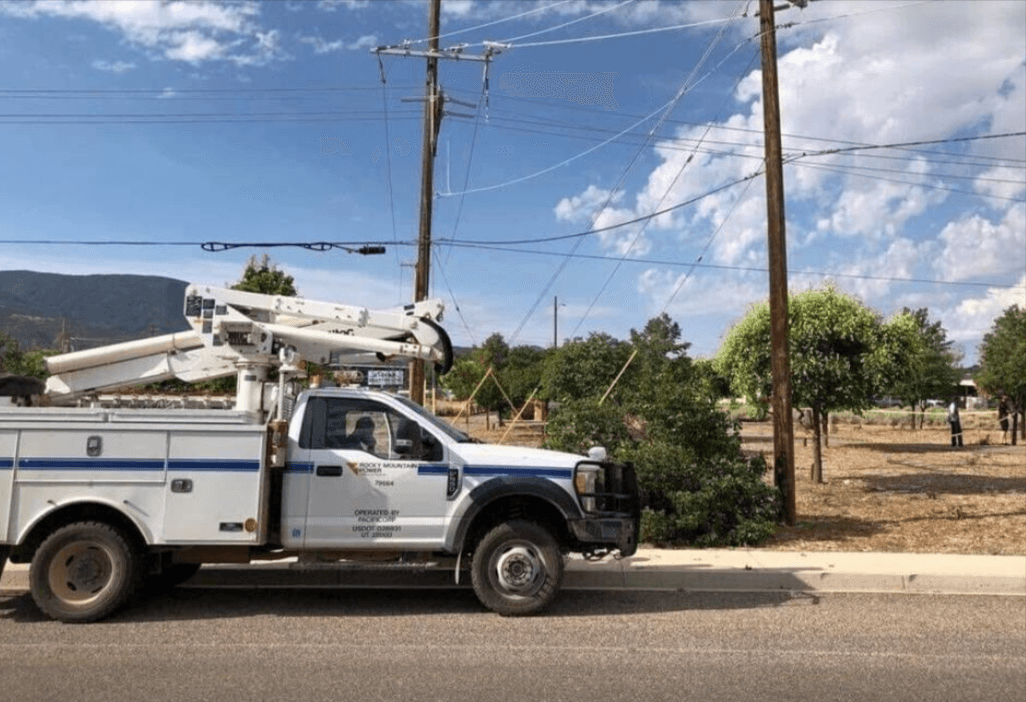
Utah lawmakers are revisiting a proposal to restructure the Energy Balancing Account (EBA) fee on residents' power bills, aiming to reduce energy costs for Rocky Mountain Power customers.
Representative Carl Albrecht, a Republican from Richfield, is reintroducing a bill that would require Rocky Mountain Power to cover 20% of the EBA costs, with Utah customers responsible for the remaining 80%. This marks a significant shift from the current structure, where ratepayers bear the entire cost.
Albrecht emphasized the bill's intent to provide rate relief to Utah customers and ensure that Rocky Mountain Power's shareholders share in these expenses. He noted that similar cost-sharing models exist in other states served by the utility, such as Idaho and Wyoming.
The EBA fee adjusts based on market prices and has become a substantial component of customers' bills. In 2024, the Utah Public Service Commission approved a 4.7% residential rate increase, significantly lower than the 18.1% initially requested by Rocky Mountain Power. The proposed legislation seeks to prevent the utility from recovering additional costs through the EBA without sharing the financial responsibility.
Rocky Mountain Power has stated that the EBA is a crucial tool for managing variable costs and maintaining rate stability. The company plans to evaluate the proposed legislation to ensure fair pricing for customers and the utility's financial stability.
Albrecht's bill is scheduled for discussion in the upcoming legislative session, with the goal of implementing a cost-sharing structure that aligns with practices in neighboring states and offers relief to Utah ratepayers. |
0 Comments
Join the conversation
Be the first to comment
Share your thoughts above.